
To Seal or Not To Seal:
Should You Seal Your Driveway Pavers?
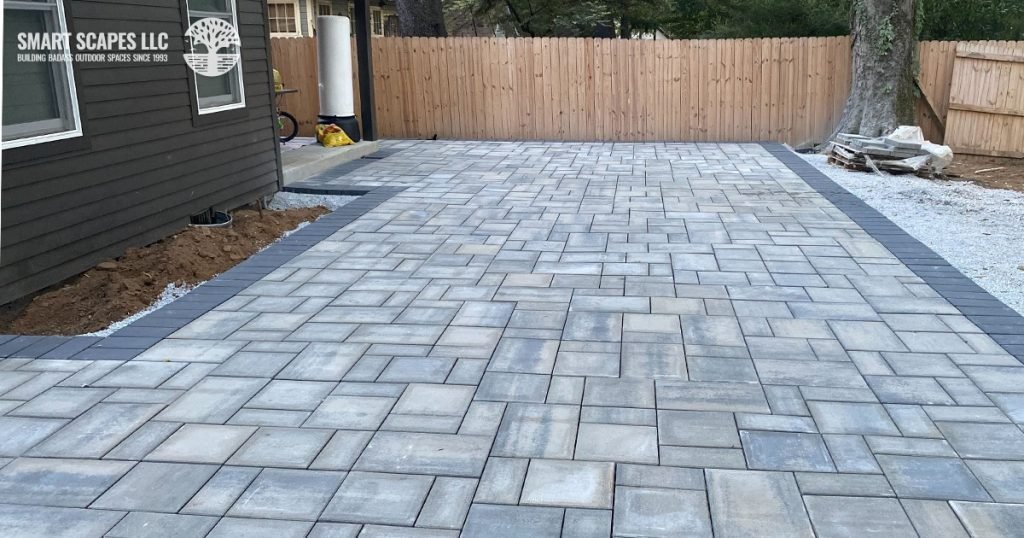
Interlocking pavers are a popular choice for creating beautiful and durable outdoor spaces. They come in many materials and offer a wide range of design options. And pavers can withstand heavy use. However, like any outdoor surface, pavers can be affected by weather, foot and vehicle traffic, and spills if neglected
Many customers ask us if it’s necessary to use sealers to protect them from stains, fading, and weathering. This guide will explore the pros and cons of sealing pavers to help you decide if it’s right for you.
Should You Seal Your Pavers?
Well that depends on many factors. Does your manufacturer recommend sealing them? Many manufacturers say that it is not necessary and it is optional and that’s true. Sealing is more about aesthetics than it is about maintenance in most instances.
The exceptions to this would be during winter months. Making sure your pavers are cleaned, sealed and free of debris during winter months will avoid staining. And with some permeable pavers sealing could be detrimental to the drainage of the pavers by using a sealer. Basically, you should only seal your pavers if the manufacturer says it is ok to do so.
Pros of Sealing Your Pavers
- There are many benefits to sealing your pavers. First and foremost is to maintain their appearance. The sun’s UV rays can and will fade the color of your pavers over time. Sealers lock in the color of your pavers keeping them looking new for decades.
- Sealing will also help reduce staining for spills and freeze/ thaw cycles. Properly applied sealers will keep stains on their surface instead of absorbing into your pavers.
- And sealers can protect against weed growth through the joint sand and at the same time strengthen the installation of your pavers by hardening the joint sand.
Cons of Sealing Your Pavers
- The most notable con is the cost. Superior sealers will come at a higher cost while cheaper options will degrade faster.
- Once you start there is no turning back. Sealers will need to be applied every three to five years to maintain their appearance.
- Some high gloss sealers can cause slipperiness. Especially when wet
- Depending on the type of sealer you use there is the possibility of contamination to nearby vegetation.
When Should You Seal Your Pavers?
You will want to wait until the chalky residue known as efflorescence faded. This will depend on the manufacturer, but it could be anywhere from ninety days and up to one year. Efflorescence is nothing to be concerned about, It is a naturally occuring salt in the aggregate used to make your pavers. It will fade in time.
Types of Paver Sealers
Sealers can be broken down into two categories. Both options will offer protection from staining and UV resistance. Both options will also help stabilize joint sand on your pavers.
Solvent-Based Sealers
These will give you a higher gloss finish and enhance the color to your pavers. The drawbacks are, they are made with toxic chemicals. Giving them a strong odor and a complicated clean up process. Once cured they are completely safe but it is best to leave this to a professional like SmartScapes LLC.
Solvent-based sealers will last between 4-5 years. Prices can range anywhere from $100 – $200 per gallon with a coverage area of 80-120 sq. feet.
Water-Based Sealers
Water-based sealers will give you a more natural or matte appearance. Are less harmful to work with with very easy clean up. They don’t last as long as solvent-based so application will be more frequent.
Water-based sealers will last between 2-3 years. Prices can range from $100-$200 per gallon but your coverage increases to 100-150 sq. ft.
What Kind Of Sealer Should I Use on My Pavers?
With several kinds of pavers available this question will depend on which kind you have. Both water and solvent based sealers will work on every kind of paver so the decision comes down to what look you’re going for. For instance, if you want a high gloss finish, the only option is to go solvent based. Keep in mind, that products and principles are the same across many types of pavers, but there are some things to consider when choosing a sealer. Let’s break down the three most popular paver materials to help you make an informed decision.
Concrete Pavers
Concrete is porous and can benefit from having a sealer applied to it. Sealing concrete pavers offers excellent protection from staining and can greatly enhance the color of your pavers. The more porous the material is, the more sealer you will need to complete the job
Brick Pavers
If concrete is porous, brick is a sponge. You will need a lot of material to seal these types of pavers and it is recommended to go with a low gloss sheen, like water based sealer for even coverage.
Permeable Pavers
Permeable pavers get a little more complex. The whole principle of permeable pavers is to be able to drain water through the pavers. In a tight fitting permeable project, you won’t want to seal your joints so water can’t drain through. We recommend ONLY sealing your permeable pavers if your manufacturer recommends it and hiring a trusted hardscape company like SmartScapes LLC. to do the sealing for you.
How To Seal Your Pavers
Choose a Sealer
As we discussed you will need to make a decision on what type of sealer is right for your project. Only you can make that decision. Your choices are water or solvent based sealers. If you’re still unsure, contact SmartScapes LLC for a consultation.
Level the Pavers
If your paver project is brand new this is irrelevant, but if you’re working on an older project it is important to level out any dips in your pavers that could cause sealer to pool.
Clean the Pavers
First you will need to remove any weeds or moss from joints.
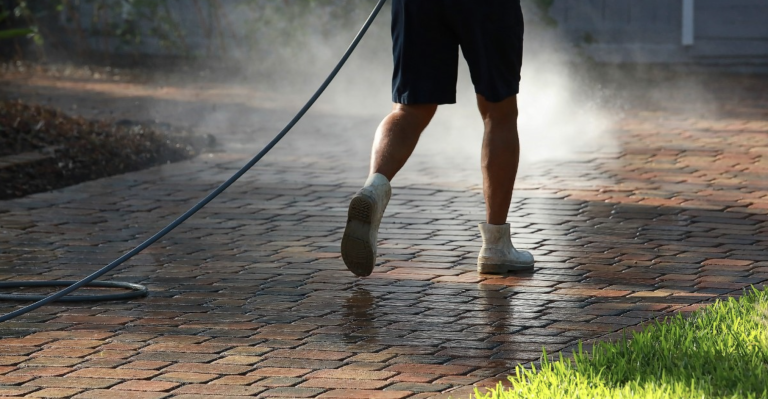
Next mix a cleaning solution of ½ cup of mild detergent to a liter of water. Scrub the pavers with a stiff broom. DO NOT use wire brushes or metal scrapers to clean your pavers. You could use a pressure washer but you will need to be very careful with any high pressure. Use dedicated paver cleaners to remove tough stains or oil.
Allow the pavers to dry for 24-48 hours before applying any sealer
Applying the Sealer
Check your weather forecast and make sure there will be no rain over the next 48 hours. You will want to apply the sealer when the temperature is between 50-90 degrees fahrenheit. 75 degrees being ideal. The easiest way to apply the sealer is with a low pressure garden type sprayer. You could also use a paint tray and roller. You will want to completely saturate the surface, getting it into every tiny nook and cranny. Use a roller to soak up any excess sealer or a squeegee to push into the joints.
Stay Away From the Pavers
Once you have finished sealing your pavers, stay off of them for at least 24 hours. Walking on pavers before the sealer has cured can cause it to peel.
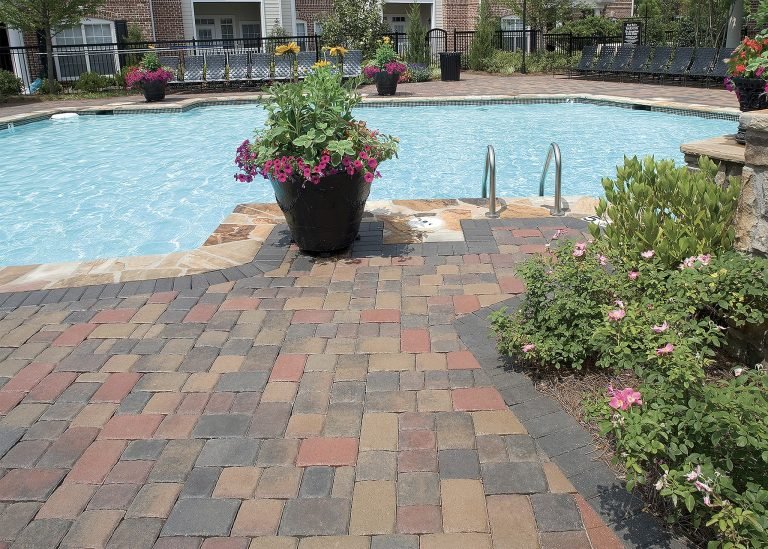
Properly sealing your pavers can significantly enhance their appearance and longevity. By following these guidelines and considering your specific needs, you can make an informed decision about whether sealing is right for you. If you’re looking for help with your paving project in Nashville, SmartScapes LLC would be happy to talk with you about sealers or any other paver-related questions you may have.
Our professional designers at SmartScapes LLC can help guide you throughout your concrete paver project and give you on-site demonstrations of the best sealers for your project. Contact SmartScapes LLC. for a free estimate.