
As the spring rains begin in Nashville, we often think about how to keep our outdoor spaces safe. Wet surfaces can become quite slick, and we want to avoid any slips and falls. This is where choosing the right pavers becomes important, especially when we consider non slip paver overlays. We’ll look at what makes a paver good for wet weather and how to pick the best ones for our local climate.
Key Takeaways
- When picking pavers, pay attention to how rough the surface is. A rougher texture gives your feet better grip, which is what we need when things get wet.
- Think about the paver material itself. Some materials soak up water more than others. We want pavers that don’t hold onto water, making them less slippery.
- For the best results, especially with non slip paver overlays, look into sealants or treatments. These can add an extra layer of protection against slips on those rainy Nashville days.
Understanding Slip Resistant Paver Properties
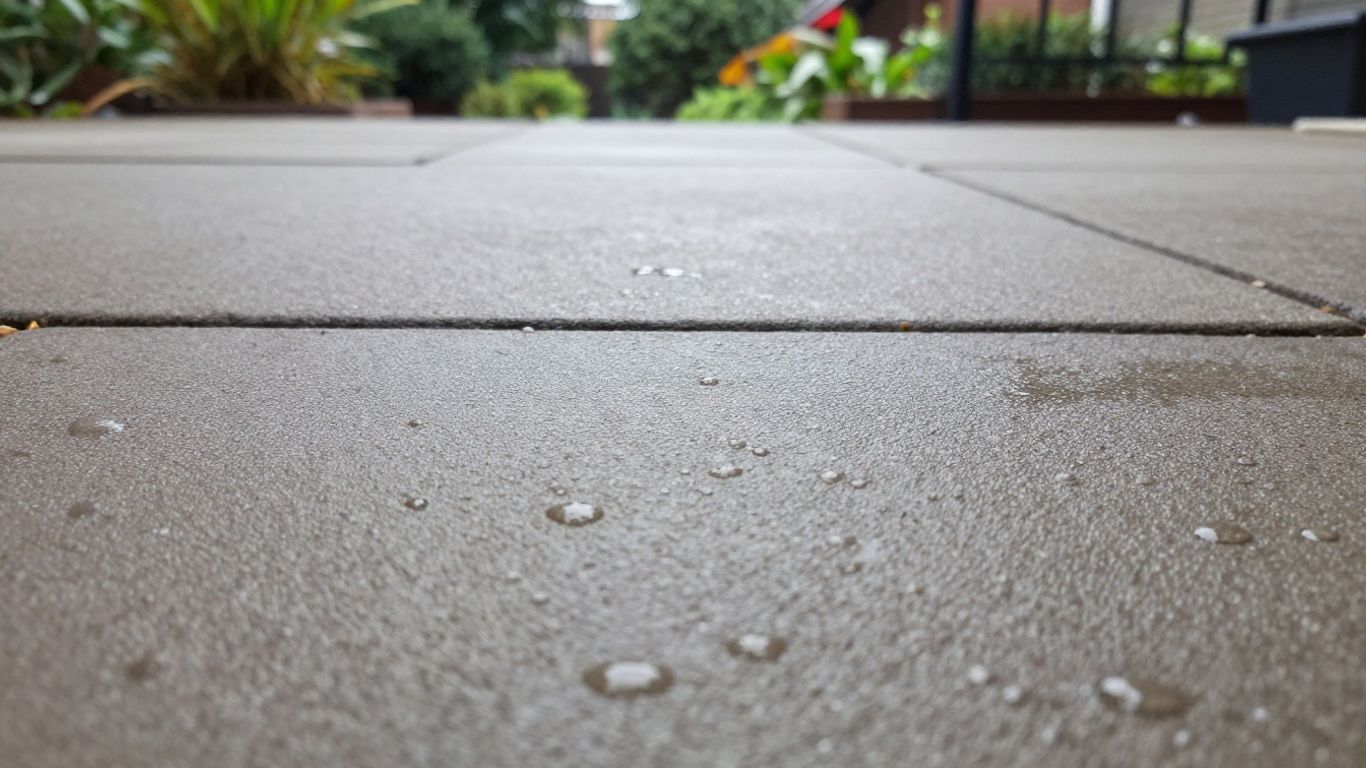
When we think about choosing pavers for our outdoor spaces, especially with Nashville’s spring showers in mind, we need to look beyond just how they look. The real workhorse is their ability to keep us on our feet. We’re talking about slip resistance, and it comes down to a couple of key things: the paver’s surface and how it handles water.
Evaluating Surface Texture for Traction
The feel of a paver underfoot is a big clue to its grip. Rougher textures generally mean more friction. Think about a smooth, polished stone versus a natural, uneven flagstone. The flagstone, with its bumps and dips, is going to give you more purchase, especially when wet. We want to avoid surfaces that become slick as ice when they get damp. A paver with a naturally coarse or textured finish is our best bet for reliable traction.
Here are some common textures and what they mean for slip resistance:
- Smooth: Often looks sleek but can be very slippery when wet. Not ideal for areas prone to moisture.
- Tumbled: This process gives pavers a worn, rounded edge, which often creates a slightly rougher surface. Better than smooth.
- Textured/Exposed Aggregate: These pavers have small stones or sand embedded in their surface, providing a noticeably grippier feel.
- Natural Split Face: For stone pavers, this means the surface is left rough and uneven, offering excellent grip.
Considering Material Porosity and Water Absorption
Beyond the surface, how a paver deals with water internally matters too. Porosity refers to how much a material can soak up. If a paver absorbs a lot of water, it can become saturated, and that moisture can freeze and thaw, potentially leading to damage or making the surface even slicker. We’re looking for materials that don’t hold onto water.
- Low Porosity: Materials like dense concrete pavers or certain types of porcelain are less likely to absorb water. This means they dry faster and are less prone to becoming slippery.
- High Porosity: Natural stones like some limestones or sandstones can absorb more water. While beautiful, they might require more attention in wet climates.
When selecting pavers, we’re aiming for a balance. We want a material that feels good underfoot, looks right for our Nashville home, and most importantly, won’t turn into a hazard when the spring rains arrive. It’s about making smart choices for safety and longevity.
We need to consider how the paver interacts with moisture. Some materials, when wet, can create a thin film of water on their surface, reducing friction. Others might absorb water and then release it slowly, keeping the surface damp for longer. For our purposes, we want pavers that shed water effectively or dry out quickly. This is where understanding the material properties really comes into play.
Selecting the Best Non Slip Paver Overlays for Nashville’s Climate
When we think about Nashville’s spring, we picture blooming flowers and maybe a little bit of rain. That rain, though, means our outdoor spaces need to be safe. We’ve got to pick pavers that won’t turn into a skating rink when they get wet. It’s not just about looks; it’s about preventing slips and falls, especially on those days when the sky opens up.
Comparing Paver Types for Durability and Grip
Not all pavers are created equal, especially when it comes to handling moisture. We need to look at materials that naturally offer good traction. Some common choices include:
- Concrete Pavers: These are popular for a reason. Many concrete pavers come with a textured finish that helps with grip. We should check the manufacturer’s specs for their slip resistance rating. Some are made with added aggregates for better friction.
- Natural Stone Pavers: Think about materials like flagstone or slate. These often have a rougher, uneven surface that’s great for traction. However, some types of natural stone can be quite porous, so we need to be mindful of that.
- Brick Pavers: Traditional brick can offer decent grip, but we need to be careful. Older bricks or those with a very smooth finish might not be the best choice for wet conditions. Look for options with a more pronounced texture.
The key is to find a paver that balances its appearance with its practical safety features. We don’t want to sacrifice one for the other.
Investigating Sealants and Treatments for Enhanced Safety
Even with the right paver choice, we can take extra steps to make sure our surfaces are as slip-resistant as possible. Sealants and treatments can really make a difference, especially here in Nashville where we get those sudden spring showers.
- Anti-Slip Sealers: These are clear coatings that add a gritty texture to the paver surface. They don’t usually change the look of the paver much, but they add a noticeable layer of grip. We should look for sealers specifically designed for outdoor hardscaping.
- Textured Coatings: Some products are designed to add a more pronounced texture. These might slightly alter the paver’s appearance, giving it a more matte or even slightly rougher finish. It’s a good option if we want a more significant change in grip.
- Regular Maintenance: It’s not just about the initial application. We need to remember that sealants wear down over time. We should plan to reapply them every few years, depending on the product and how much foot traffic the area gets. Cleaning the pavers regularly also helps remove any slick buildup from algae or moss.
We found that applying a good quality, water-based anti-slip sealer after the pavers were installed made a huge difference. It wasn’t a complicated process, and the peace of mind knowing our patio was safer for guests, especially the little ones, was totally worth it. We just need to remember to reapply it every couple of years.
When choosing a sealant, we should always test it in an inconspicuous area first to see how it affects the paver’s color and texture. We also want to make sure the product is suitable for the specific type of paver material we’ve selected.
Wrapping Up Our Paver Talk
So, we’ve gone over a few things about picking the right pavers for those wet Nashville spring days. It’s not just about looks, right? We want our walkways and patios to be safe, especially when the rain starts. By thinking about the texture and the kind of material, we can make sure our outdoor spaces are still usable and not a slipping hazard. We hope this helps you make a good choice for your home. Happy paving!
Frequently Asked Questions
What makes some pavers less slippery than others, especially when they get wet?
We look for pavers with a rougher surface. Think of it like the tread on a tire; the more bumps and grooves, the better it grips. Also, some materials soak up water better, which helps prevent puddles from forming and making things slick.
Are there specific types of pavers that work best for Nashville’s rainy weather?
Yes, we often recommend pavers made from materials like natural stone or certain concrete types that are known for their strength and ability to provide good footing. We also consider how well they hold up to the changing weather here, from humid summers to cooler, wetter springs.
Can we do anything to make our current pavers safer on wet days?
Absolutely. We can apply special coatings or sealants that add an extra layer of grip to your existing pavers. These treatments are designed to be clear or have a slight tint, so they don’t change the look too much while making them much safer when it rains.