
April showers are here, and while they’re great for the garden, they can be tough on our outdoor spaces. We’re talking about our paver overlays, specifically. Keeping them in good shape during all this wet weather is important. We want to make sure our hard work stays looking good, so let’s go over some ways we can help protect our paver overlay protection.
Key Takeaways
- We need to know how too much water can affect our paver overlays. Water can weaken the base and cause issues over time if not managed.
- Putting down the right kind of sealant can make a big difference in how well our paver overlay protection holds up against the rain.
- Making sure water can drain away properly from the paver overlay area is key to stopping problems before they start.
Safeguarding Your Paver Overlay From Moisture
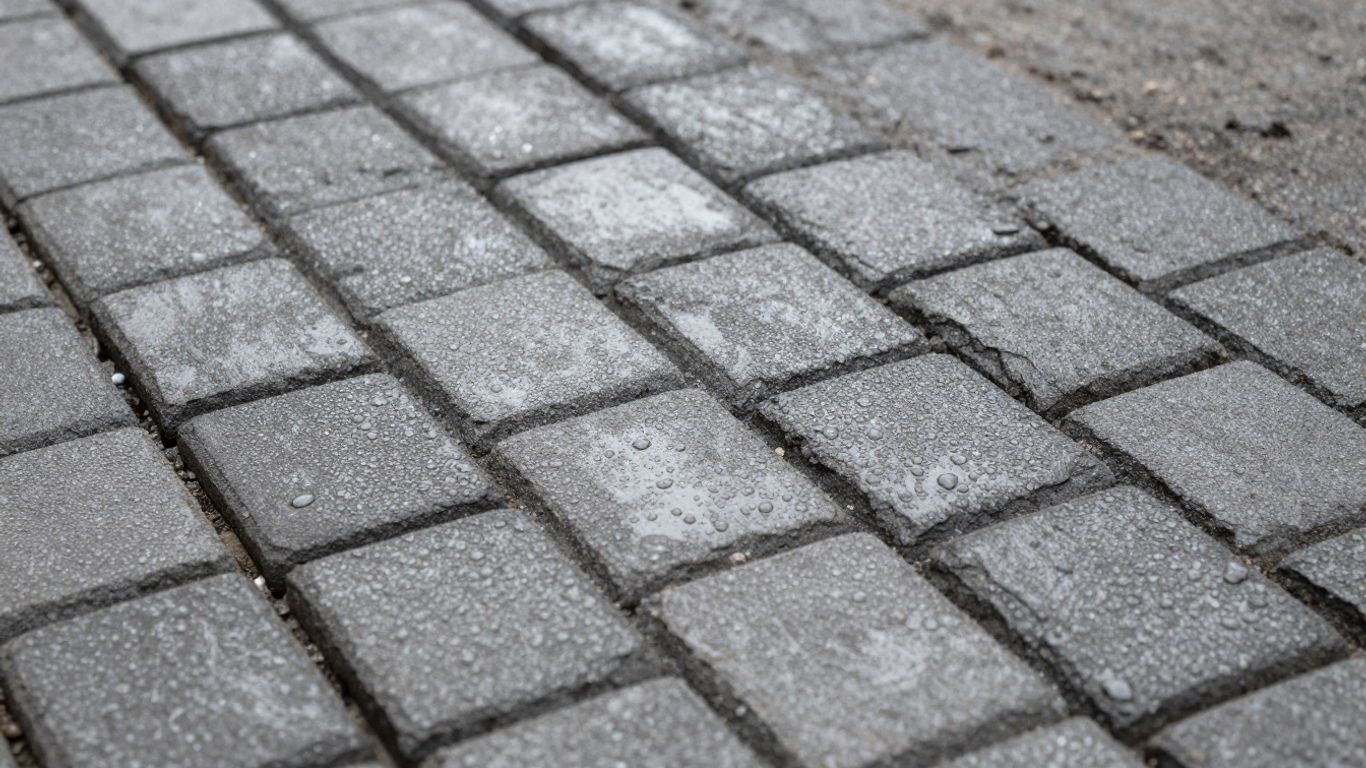
April showers are here, and while they bring the flowers, they also bring a lot of water. We need to think about how all this wetness affects our paver overlays. Water might seem harmless, but over time, it can really cause problems for these surfaces we’ve worked hard to install.
Understanding Moisture’s Impact on Paver Overlays
So, what exactly does all this rain do? Well, water can seep into the small spaces between pavers. When temperatures drop, this trapped water can freeze and expand. We call this freeze-thaw cycle, and it’s a big reason why pavers can crack or shift. It’s like a tiny wedge being driven into the joints, slowly pushing things apart. Plus, constant dampness can encourage weed growth in those same joints, making things look messy and potentially weakening the base.
We’ve seen how persistent moisture can lead to staining on lighter colored pavers too. Algae and moss love damp, shady spots, and they can really change the look of your overlay, making it appear older and less cared for than it is.
Implementing Preventative Measures for Paver Overlay Protection
Before the rain really starts coming down, there are a few things we can do. It’s all about being proactive.
- Check the joints: Make sure the polymeric sand or jointing material is still in good shape. If it’s washed out in places, water will find those gaps easily.
- Clear debris: Leaves and dirt can trap water against the pavers. Give your overlay a good sweep.
- Look at the edges: Make sure the edges of your overlay are well-defined and contained. Water running off the sides can erode the base material underneath.
Taking these simple steps now can save us a lot of trouble later. It’s much easier to do a little upkeep than to fix bigger issues down the road. We want our overlays to look good and last for years, and that means paying attention to how they handle the weather.
Essential Steps for Paver Overlay Protection During Wet Weather
April brings unexpected rain showers, and that can mean trouble for fresh paver overlays. If we miss just one step in protecting these surfaces, problems can pop up in no time. Below, we share what works for us to keep things in good shape, even when the skies won’t cooperate.
Choosing the Right Sealants for Enhanced Durability
Let’s face it, not all sealants are created equal. When it comes to new overlays, the wrong product can trap moisture or wear away fast. Here are our tried-and-true steps:
- Pick sealants made for wet climates – acrylic, polyurethane, or water-based ones often work best.
- Make sure the surface is totally dry before application—moisture stuck underneath can spell disaster.
- Always follow curing times printed on the container, even if it seems unnecessary.
| Sealant Type | Water Resistance | Typical Longevity |
|---|---|---|
| Acrylic-Based | High | 1-2 years |
| Polyurethane | Very High | 3-4 years |
| Water-Based | Medium | 1 year |
A little patience upfront with proper sealing pays off—no one wants to redo the job a month later because water got under the surface.
Maintaining Proper Drainage Around Your Paver Overlay
Water left to sit around pavers leads to stains, shifting, and even weed growth. We prefer handling these steps right after installation:
- Double-check that nearby gutters and downspouts send water away from overlays.
- Slope the paver area so water naturally runs off—about a quarter-inch drop per foot is usually enough.
- Add gravel or sand along the borders to soak up overflow during heavy rain.
Paver overlays can last years longer when we pay attention to drainage. By keeping pooling water away, we help these surfaces stay strong, even through the wettest spring weather.
Wrapping Up Our April Shower Tips
So, we’ve gone over a few ways to keep those fresh overlays looking good, even when the skies open up. It’s not too complicated, really. Just a bit of attention and some simple steps can make a big difference. We hope these ideas help you out. Remember, a little care goes a long way in protecting your work. Don’t let the rain get you down; keep those projects looking sharp!
Frequently Asked Questions
Why is it important to keep our paver overlays dry, especially when it rains a lot?
Water can be tricky for paver overlays. When it gets trapped underneath, it can cause problems like freezing and thawing, which might make the pavers lift or crack. Also, too much moisture can wash away the sand between the pavers, making them wobbly. We want to keep them looking good and strong, so protecting them from too much water is key.
What’s the best way to stop water from pooling around our pavers?
Making sure water can run off easily is super important. We should check that the ground slopes away from the paved area. If needed, we can add small channels or make sure existing drains aren’t blocked. Good drainage means water doesn’t sit there, which is much better for the pavers.
Can we put a special coating on our pavers to help them during rainy times?
Yes, we absolutely can! Using a good sealant is like giving our pavers a protective shield. Sealants fill in the tiny gaps and make the surface less likely to soak up water. This not only helps during rain but also keeps them looking vibrant and makes them easier to clean. We should pick one that’s made for pavers and offers good water resistance.